

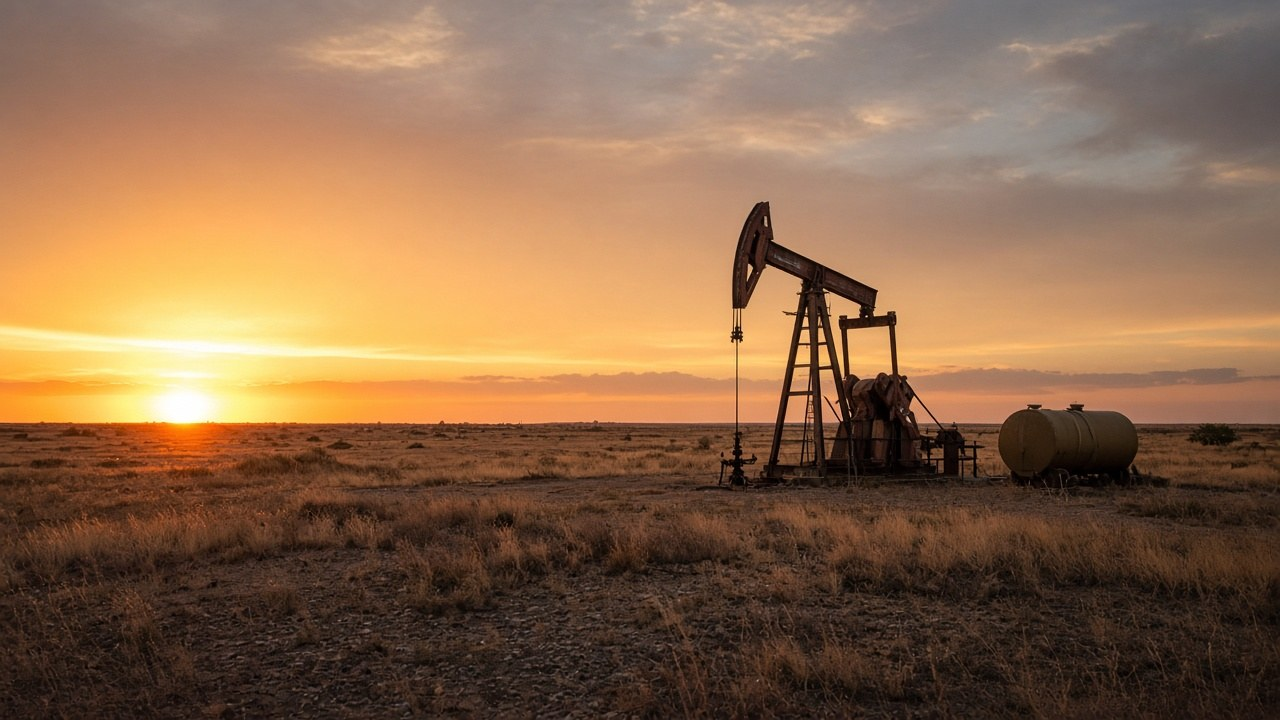
Biden’s methane rule is on the chopping block. On Tuesday, President Trump told a campaign crowd in Lubbock, Texas, that his administration is “terminating” the Biden-era rule on methane from oil and gas drilling, the Associated Press reports. He said the change would save consumers and producers $45 billion and unlock 210 million barrels of oil.
That is good news for the small operators who keep America’s oil patch running. Still, there is a catch. This methane rule rollback is a proposal, not a done deal, and it will not lower your gas bill by Election Day.
What the Methane Rule Rollback Proposal Does
The announcement covers an Environmental Protection Agency proposal to roll back 2024 rules that made companies fix leaky equipment and check wells for escaping methane. According to a White House official quoted by Reuters, the plan gives relief to small, low-output wells. It also ends a program that used outside groups to report large leaks, and it eases rules meant to phase out routine flaring at oil wells.
“Tonight, I’m officially terminating Biden’s expensive and unnecessary methane regulations,” Trump said, according to Fox Business. “We’ve been working on this for a long time.”
EPA Administrator Lee Zeldin previewed the plan on Oct. 7 at the New Mexico Oil and Gas Association’s annual meeting. In an EPA release, the agency listed five main changes:
- Marginal wells. Two options that would create separate categories of well sites, each with its own standards.
- The Super Emitter Program. Rescinded, citing “serious legal concerns” and calling it not effective.
- Associated gas. A new look at how gas produced alongside oil is regulated, including flaring.
- Covers and closed vent systems. Splitting the standard into design and operating requirements.
- Control devices. Technical flexibility on flame monitoring and testing.
The EPA also said the Biden rule imposed $18 billion in regulatory costs without the promised environmental benefits.
How We Got Here
The Biden EPA finalized the rule in March 2024. It set tighter limits on methane from new wells, required states to regulate hundreds of thousands of existing sites for the first time, and created the Super Emitter Program. Texas challenged the rule in court almost immediately, Reuters reported at the time.
The Trump EPA has already chipped away at it. In April, it finalized a narrower set of changes covering temporary flaring and monitoring, which it estimated would save industry $2.5 billion through 2038, according to Oil & Gas Journal. Congress and the administration also eliminated the separate Biden-era methane fee on high-emitting facilities. This new proposal is the second, much bigger round.
The rule has also been slow to take effect. Last year the EPA pushed back several compliance dates and moved both the Super Emitter Program start and the deadline for state plans to Jan. 22, 2027, according to the law firm Greenberg Traurig. That means much of the Biden rule’s burden on existing wells has not even landed yet, which is exactly why producers want certainty now.
Why Methane Matters Either Way
Methane is the main component of natural gas and a potent greenhouse gas. Oil and gas operations are the largest industrial source of methane emissions, according to the AP. Every cubic foot that leaks is product a producer cannot sell. That is why both sides agree leaks matter. The fight is over who sets the standard and what it costs.

Why Small Wells Need the Methane Rule Fixed
Marginal wells are the mom-and-pop shops of the oil business. They pump a little each day, and their owners run on thin margins. As a result, a one-size-fits-all compliance bill can shut a small well for good.
To be fair, the other side has a real point. EPA itself cited research showing marginal wells made about 7% of U.S. oil and gas output in 2021. Yet they produced 60% of the methane tied to gas production and 40% of the methane tied to oil production, Oil & Gas Journal reports.
So the answer is not “no rules.” Instead, it is rules sized to the well. That is exactly what separate categories are supposed to do. In addition, methane is the main ingredient in natural gas. Producers who capture it have a product to sell, which is a better incentive than a federal mandate.
The Super Emitter Program Was a Bad Idea
Under the Super Emitter Program, EPA-certified third parties used satellites and aircraft to flag large leaks. Then operators had to investigate and fix them, according to Oil & Gas Journal. In practice, that handed a piece of federal enforcement to outside groups. Conservatives should be wary of that model, no matter which industry it targets.
Environmental groups see it differently. “EPA should be fighting this waste, not making it easier,” Environmental Defense Fund President Fred Krupp said, according to Fox Business. That is a fair point about waste. But the fix for waste is a clear standard operators can meet, not a satellite tip line run through Washington.
The Methane Rule Fight Is Not Over
Now for the honest part. First, this is a draft. It still needs a public comment period and a final rule, and lawsuits will follow. Ironically, Ken Paxton, the Republican Senate candidate Trump campaigned for on Tuesday, was among the first to sue over the Biden rule in 2024 as Texas attorney general, Politico reports.
Second, the numbers need receipts. As of mid-October, Oil & Gas Journal noted, the EPA had not released the proposed rule or the analysis behind its $45 billion estimate. Meanwhile, the AP points out that 210 million barrels equals about 10 days of U.S. petroleum use. That helps, but it will not undo fuel prices driven by the war with Iran.
Third, the timing is political. Reuters says Trump paired the rollback with rallies for Paxton a week before the midterms, in a race where Paxton is locked in a close contest with Democrat James Talarico. It is part of a string of pre-election energy moves, including the Defense Production Act oil order last week. Good policy does not stop being good because it lands in October. Even so, the EPA should publish its math so voters can check it.
What to Watch Next
- The full proposal. Whether EPA publishes regulatory text and the cost analysis behind the $45 billion claim.
- The comment period. Producers, states and environmental groups will all weigh in before anything is final.
- The courts. Environmental groups are likely to sue once a final rule is issued.
Bottom Line
Cutting the Biden methane rule down to size is the right call for small producers and for American energy. However, the win is only real once the final rule survives court and the savings show up on paper. For more on energy, read why Europe is running low on gas this winter while America isn’t.
Update (November 2026)
Added November 2026. The EPA published the proposal in the Federal Register on Oct. 29. It would define a marginal well site as one producing 15 barrels of oil equivalent per day or less, and replace the routine-flaring ban with a 95% control standard, according to Greenberg Traurig. The agency said only one entity ever became a certified Super Emitter notifier, and six of its seven notifications reached operators after the leak had ended. The proposal includes no regulatory text yet. Comments are due Dec. 16.
Sources
- AP News: Trump says he’s ending restrictions on methane emissions from oil drilling
- Fox Business: Trump announces end of Biden-era methane rule, citing $45B in savings
- Reuters via Investing.com: Trump to roll back methane rules in latest Texas campaign push
- U.S. EPA: Administrator Zeldin announces EPA is days away from unveiling next oil & gas proposal
- Oil & Gas Journal: US EPA plans further rollback of oil, gas methane rules
- Politico: Trump debuts oil rule rollback as Texas wobbles toward blue
- Reuters: Texas challenges US EPA limits on oil and gas industry methane emissions (2024)
- Federal Register: Additional Reconsideration, Oil and Natural Gas Sector Climate Review (proposed rule, Oct. 29, 2026)
- Greenberg Traurig: EPA’s second OOOOb/c proposal: associated gas flaring, Super Emitter Program


