

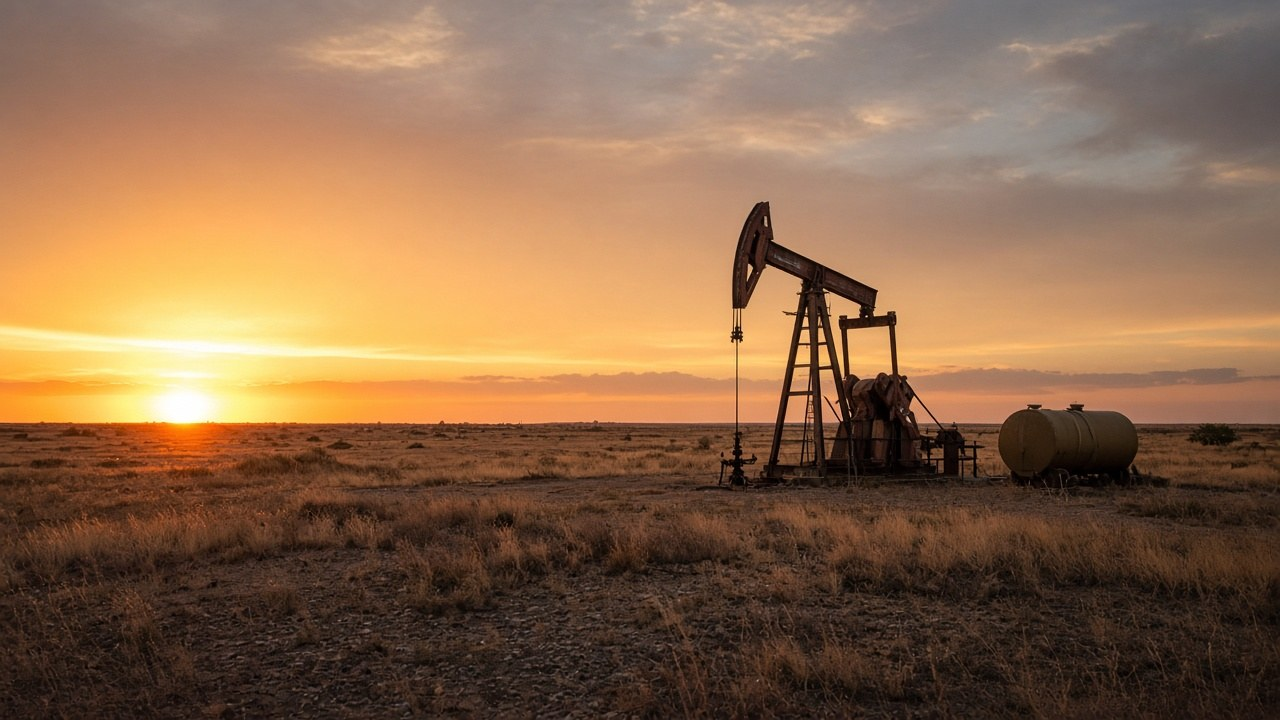
Biden’s methane rule is on the chopping block. On Tuesday, President Trump told a Texas campaign crowd that his administration is “terminating” the Biden-era rule on methane from oil and gas drilling, the Associated Press reports. He said the change would save consumers and producers $45 billion and unlock 210 million barrels of oil.
That is good news for the small operators who keep America’s oil patch running. Still, there is a catch. This is a proposal, not a done deal, and it will not lower your gas bill by Election Day.
What the New Methane Rule Proposal Does
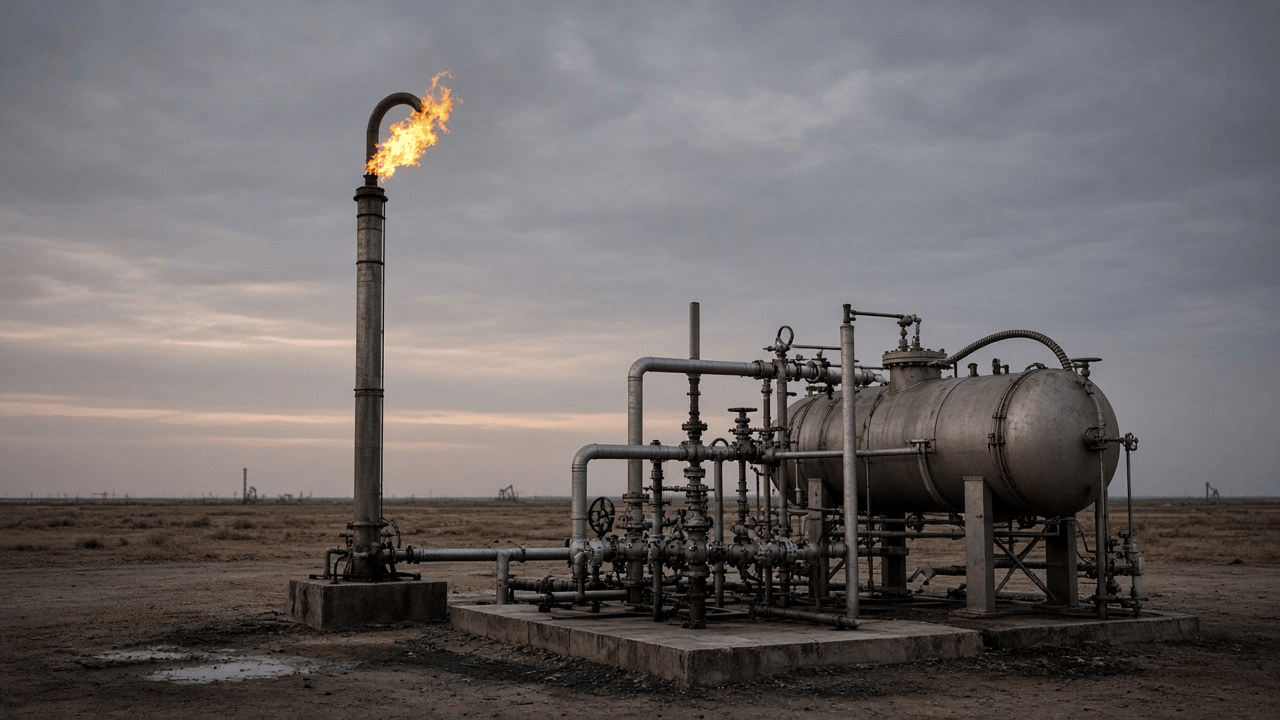
The announcement covers an Environmental Protection Agency proposal to roll back 2024 rules that made companies fix leaky equipment and check wells for escaping methane. According to a White House official quoted by Reuters, the plan gives relief to small, low-output wells. It also ends a program that used outside groups to report large leaks, and it eases rules meant to phase out routine flaring at oil wells.
EPA Administrator Lee Zeldin previewed the plan on Oct. 7. In an EPA release, the agency said it would rescind the Super Emitter Program because of “serious legal concerns.” It also said it would create separate categories for marginal wells, each with its own standards. Furthermore, the EPA said the Biden rule imposed $18 billion in regulatory costs without the promised environmental benefits.
Why Small Wells Need the Methane Rule Fixed
Marginal wells are the mom-and-pop shops of the oil business. They pump a little each day, and their owners run on thin margins. As a result, a one-size-fits-all compliance bill can shut a small well for good.
To be fair, the other side has a real point. EPA itself cited research showing marginal wells made about 7% of U.S. oil and gas output in 2021. Yet they produced 60% of the methane tied to gas production and 40% of the methane tied to oil production, Oil & Gas Journal reports.
So the answer is not “no rules.” Instead, it is rules sized to the well. That is exactly what separate categories are supposed to do. In addition, methane is the main ingredient in natural gas. Producers who capture it have a product to sell, which is a better incentive than a federal mandate.
The Super Emitter Program Was a Bad Idea
Under the Super Emitter Program, EPA-certified third parties used satellites and aircraft to flag large leaks. Then operators had to investigate and fix them, according to Oil & Gas Journal. In practice, that handed a piece of federal enforcement to outside groups. Conservatives should be wary of that model, no matter which industry it targets.
The Methane Rule Fight Is Not Over
Now for the honest part. First, this is a draft. It still needs a public comment period and a final rule, and lawsuits will follow. Ironically, Ken Paxton, the Republican Senate candidate Trump campaigned for on Tuesday, was the first to sue over the Biden rule in 2024, Politico reports.
Second, the numbers need receipts. Oil & Gas Journal notes the EPA has not released the proposed rule or the analysis behind its $45 billion estimate. Meanwhile, the AP points out that 210 million barrels equals about 10 days of U.S. petroleum use. That helps, but it will not undo fuel prices driven by the war with Iran.
Third, the timing is political. Reuters says Trump paired the rollback with rallies for Paxton a week before the midterms. Good policy does not stop being good because it lands in October. Even so, the EPA should publish its math so voters can check it.
Bottom Line
Cutting the Biden methane rule down to size is the right call for small producers and for American energy. However, the win is only real once the final rule survives court and the savings show up on paper. For more on energy, read why Europe is running low on gas this winter while America isn’t, or visit the World of Payne homepage.