

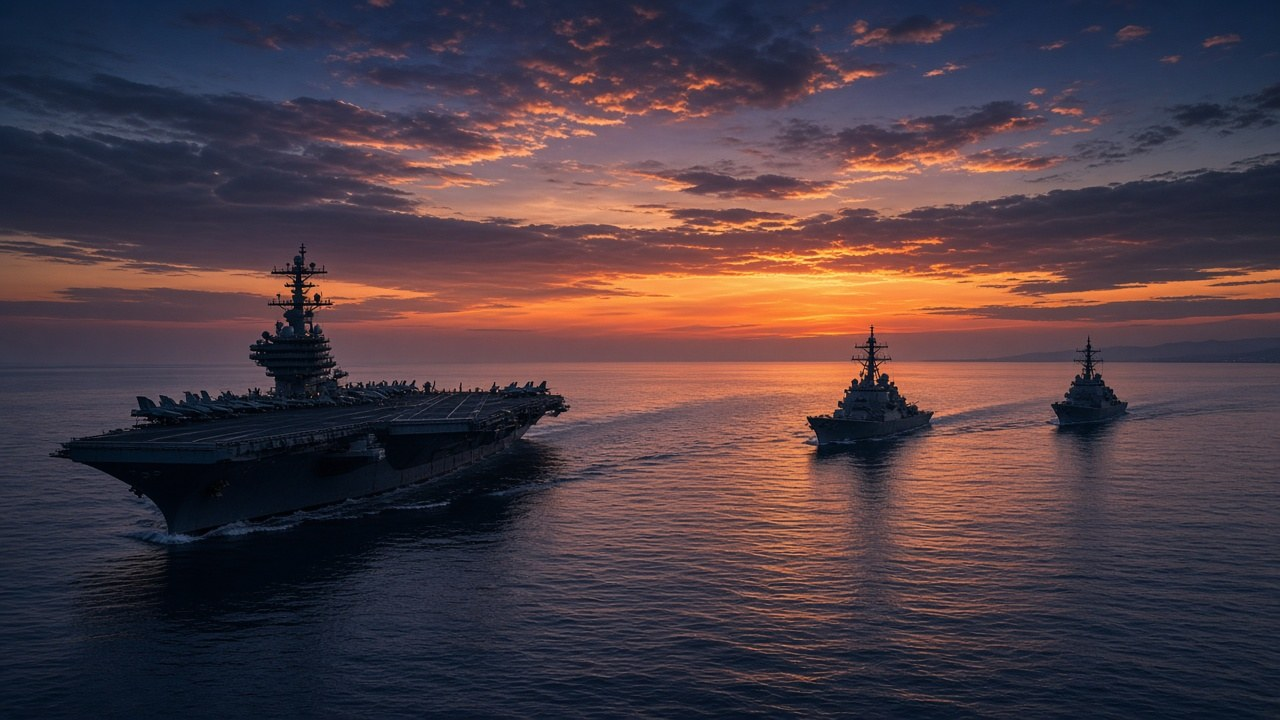
An Iran strike after midterms is no longer just rumor. The U.S. has told several Gulf Arab countries to be ready for a “short, intense military campaign” once the Nov. 3 elections are over, The Wall Street Journal reported late Tuesday, citing people briefed on the conversations. The warnings went out through diplomatic and military channels.
Then the president all but confirmed the mood. “You’ll see Iran in a couple of weeks, if you don’t mind,” Trump told a rally crowd in Lubbock, Texas, on Tuesday, according to Anadolu Agency. Strength is the right posture here. Even so, voters deserve to know what “short” means before the bombs fall.
What We Know About an Iran Strike After Midterms
The military buildup is real, and it is specific. According to the Journal, the Pentagon is moving a Patriot missile defense system from Texas to the region. It has also pulled troops off bases where they were vulnerable. In addition, U.S. forces are restocking munitions, and bombers and fighter jets are preparing for strikes.
More firepower is on the way, too. An additional aircraft carrier strike group and a Marine expeditionary unit are expected to join roughly 20 U.S. warships in the Middle East next month, although some ships could rotate out. Meanwhile, Israel has prepared its own plans and targets, and Prime Minister Benjamin Netanyahu has pushed for renewed strikes, Iran International reports.
Still, nothing is final. Trump has not made a decision, the Journal says, but he is leaning toward a large post-election attack that could hit Iranian infrastructure and nuclear sites. The White House declined to comment on “sensitive military plans that may or may not exist.” Instead, it said that “President Trump keeps all options on the table to ensure that Iran can never have a nuclear weapon.”

Why the Pressure Is Building Now
This war did not start last week. The U.S. and Israel launched it on Feb. 28, and Tehran answered with missile and drone attacks across the region. It also effectively closed the Strait of Hormuz. A June memorandum of understanding was supposed to lead to a final peace deal. However, it collapsed over disagreements that included navigation in the strait.
Your wallet has felt every month of it. As we covered, oil climbed to $117 a barrel as Iran squeezed Hormuz. Now Iran’s proxies are widening the fight. On Tuesday, Yemen’s Houthis claimed a ballistic missile strike on Saudi Arabia’s Ras Tanura refinery, the kingdom’s biggest, Reuters reported via Al-Monitor. Saudi authorities did not immediately confirm that strike. Nevertheless, Saudi Civil Defence said falling debris from two intercepted missiles damaged property in the capital.
Trump has been hinting at this for days. “We may do another little Epic Fury,” he said at a rally last week, the Journal noted. “Or they’ll agree.” We flagged that same signal when he hinted at another Epic Fury.
The Case for a Short, Decisive Iran Strike After Midterms
Here is the conservative case. A regime that chokes the world’s most important oil route and arms the Houthis does not respond to strongly worded letters. It responds to force. So a short, overwhelming campaign aimed at nuclear sites and the infrastructure that funds the regime is far better than another year of slow bleeding. Moreover, waiting until after the election keeps the decision away from campaign politics, at least on paper.
Deterrence also only works if the threat is believable. Moving Patriots, ships and Marines tells Tehran that Washington is serious. Ideally, that pressure pushes Iran back to the table without a shot fired. Trump himself has framed it that way, as a choice between strikes and a deal.
Congress Deserves a Clear Goal and an Exit
Strength, though, is not a blank check. “Short” wars have a way of growing longer. Indeed, U.N. Ambassador Mike Waltz has already warned that this war could last another year. Iran still has missiles, and its Houthi allies are still firing at Saudi Arabia.
Fiscal conservatives should ask the obvious questions. What exactly counts as victory? What will it cost, and who pays for it? Finally, what is the plan if Iran hits back at Gulf oil fields or American troops? Congress should get those answers before the first sortie, not after.
The bottom line is simple. If an Iran strike after midterms comes, make it fast, make it decisive, and make it end. American families have paid enough at the pump already. They deserve a clear mission and a clear way out.