

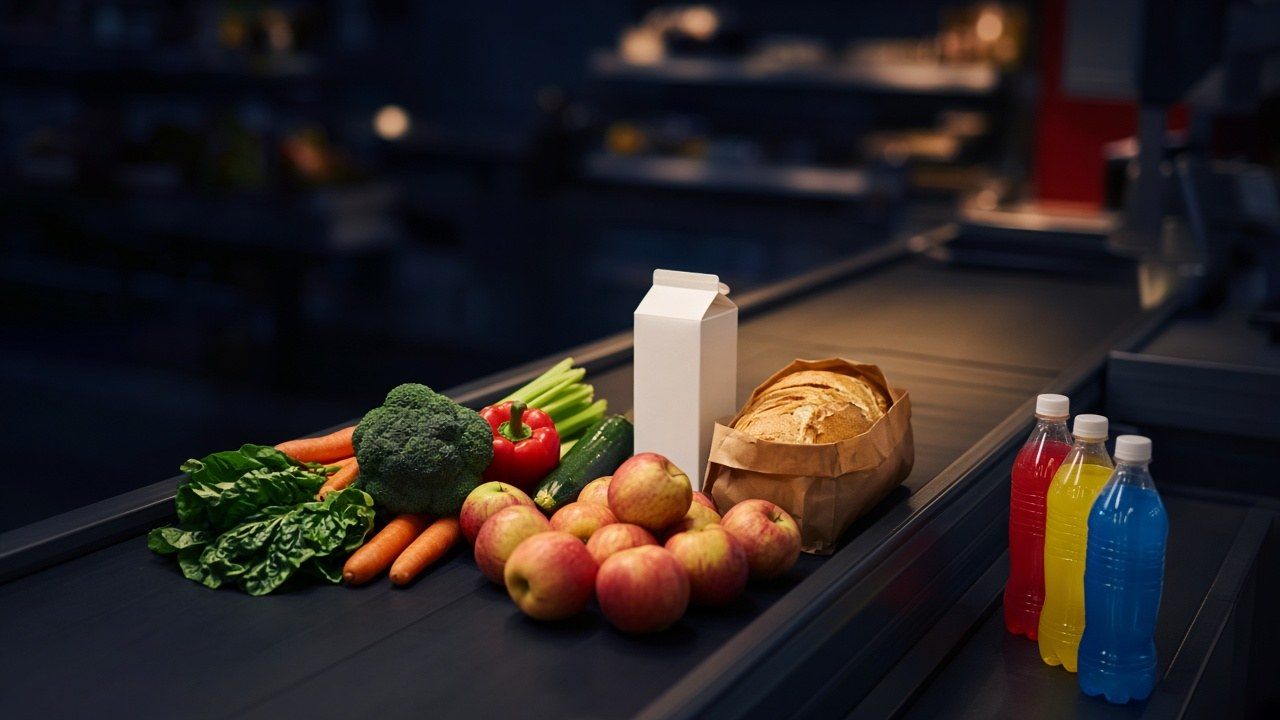
Starting Sunday, Nov. 1, SNAP shoppers in Montana, North Dakota, South Carolina and Virginia can no longer use their benefits to buy soda. In three of those states, candy comes off the list too. With that, the SNAP junk food ban grows to 12 states, LiveNOW from FOX reported. More states are lined up for 2027 and 2028.
This is one of the rare welfare reforms that respects taxpayers and the people the program serves at the same time. Still, it rests on shaky legal ground. A federal judge has already blocked five states, and the others could face the same challenge. So Congress should stop leaving this to waivers and write it into law.
Key Takeaways
- Montana, North Dakota, South Carolina and Virginia start SNAP limits on soda and other sugary drinks on Nov. 1; three of them also restrict candy.
- Eight states already had restrictions in place this year, so the total reaches 12 states.
- Benefit amounts and eligibility do not change, and shoppers can still buy restricted items with their own money.
- An NBER working paper found restricted spending fell 11% in the first states to act.
- A federal judge vacated five states’ waivers in June, ruling USDA used the wrong part of the law. USDA has appealed.
What the SNAP Junk Food Ban Changes on Nov. 1
First, the details vary by state. Montana is the broadest. Its waiver blocks candy, energy drinks, shelf-stable prepared desserts and drinks with more than 10 grams of added sugar per eight ounces, according to the state health department. North Dakota restricts sweetened drinks, energy drinks and candy. South Carolina covers candy, energy drinks, soft drinks and sweetened beverages, according to USDA.
By contrast, Virginia takes the narrowest approach. Its rule targets carbonated, sweetened drinks, including diet and zero-sugar soda, while candy stays eligible, according to the state’s Department of Social Services.
Just as important, the SNAP junk food ban leaves most of the program the same. Nobody loses a dollar of benefits. Milk, meat, produce, bread and pantry staples remain covered. At the register, restricted items simply won’t ring up on the EBT card, and shoppers can pay for them with cash or a debit card. “Our responsibility is to ensure taxpayer-funded SNAP benefits support access to nutritious food and better health outcomes for Montanans,” Montana health director Charlie Brereton said in an Oct. 22 state release.
Taxpayers Are Buying the Soda
SNAP is not small, either. In fiscal year 2025, the program cost roughly $102 billion and served more than 42 million people, averaging $188 a month per person, LiveNOW reported, citing USDA data. That is real money, and every dollar of it comes from taxpayers or from borrowing.
Before the SNAP junk food ban, a big share went to sugar water. In fact, a 2016 USDA study of 2011 grocery data found soft drinks were the top item SNAP households spent their food dollars on, at 5.44% of spending. Non-SNAP households spent 4.01%.
“For years, SNAP has used taxpayer dollars to fund soda and candy,” Health and Human Services Secretary Robert F. Kennedy Jr. said in a release. He tied those products to “America’s diabetes and chronic disease epidemics.” Taxpayers often pay again through Medicaid and other health programs. We have already seen how fast health costs eat into family budgets, as our look at rising health insurance premiums showed.
SNAP stands for Supplemental Nutrition Assistance Program. The word nutrition is right there in the name. So asking it to fund nutrition is not cruel. It is the deal, and the SNAP junk food ban simply enforces it.
Early Data Says the SNAP Junk Food Ban Works
Critics warned the limits would just shift spending around. So far, the research says otherwise. An NBER working paper by economists Crossan Cooper, Katja Seim and Jintaek Song studied the first statewide restrictions. Restricted spending fell 11%, and calories and sugar dropped 5% to 8%.
The same study found stores barely changed shelf prices. Moreover, the authors estimated that a nationwide rollout would produce welfare gains of roughly $1.1 billion a year. A separate working paper by David Frisvold and Felipe Lozano-Rojas found soda purchases fell 13% for the average SNAP household, with effects lasting up to two months after the limits began.
To be fair, the results are not perfect. The NBER authors found some shoppers switched to fruit drinks that are still eligible. That is an argument for smarter rules, though, not for giving up. It is also early, and states should publish their evaluation data so voters can judge for themselves.
A Judge Already Blocked Five States
Here is the weak spot in the SNAP junk food ban. In June, U.S. District Judge Amy Berman Jackson vacated USDA’s approval of waivers in Colorado, Iowa, Nebraska, Tennessee and West Virginia. In her opinion, she ruled that the section of law USDA relied on covers program efficiency, not health projects. A separate section that does cover health projects has strict requirements, and the agency skipped it.
In addition, she found USDA failed to give the advance public notice its own rules require. Notably, she wrote that her analysis “should not be taken as a comment on whether the pilot projects are a good idea or not.”
USDA filed an appeal on Aug. 20, and the five states stay blocked unless that ruling is reversed or paused. Since then, the agency has published formal approval notices for the November states. South Carolina’s notice drew 47 comments, most of them opposed, USDA said. Even so, the new approvals still cite the same section of law the judge rejected. That could leave the SNAP junk food ban in every state open to the same kind of lawsuit.

Congress Should Write the SNAP Junk Food Ban Into Law
Conservatives should not want major policy run through pilot waivers, no matter who is in the White House. A future administration could undo all of this with a memo. Meanwhile, one lawsuit at a time, courts can pick it apart.
After all, Congress wrote the definition of food in the SNAP law, and Congress can fix it. A clean bill would let any state exclude soda, energy drinks and candy from SNAP purchases if it chooses. It would also require states to report results, so the policy lives or dies on evidence. That keeps decisions close to home, where they belong.
Of course, critics raise fair points about a confusing patchwork of state rules. However, a clear federal standard for what counts as soda or candy would solve much of that. Retailers already handle restricted items like alcohol and tobacco every day.
As for freedom of choice, nobody is banning soda. Families can still buy any drink they want with their own money. They just can’t send the bill to their neighbors. We made a similar case on protecting SNAP from fraud, and the principle is the same. Every dollar should reach the families the program is meant to help. Our look at Halloween candy prices showed how much the candy aisle already costs families. Taxpayers shouldn’t cover that tab too.
Frequently Asked Questions
Which states have a SNAP junk food ban?
As of Nov. 1, 2026, restrictions are in effect in Arkansas, Florida, Idaho, Indiana, Louisiana, Oklahoma, Texas and Utah, plus Montana, North Dakota, South Carolina and Virginia. USDA lists Nebraska for Dec. 1, with more states scheduled in 2027 and 2028.
Do SNAP benefit amounts change?
No. Under the SNAP junk food ban, eligibility and monthly benefit amounts stay the same. Shoppers can still buy restricted items with cash, credit or debit.
Why were some states blocked?
In June, a federal judge ruled USDA used the wrong part of the law to approve waivers in five states and skipped a required public notice. USDA has appealed to the D.C. Circuit.
What do you think? Should Congress make soda and candy limits permanent, or leave the choice to each state’s waiver? Tell us in the comments.
Follow World of Payne for More
For more conservative commentary on spending, welfare reform and the stories that hit your wallet, visit the World of Payne homepage. Then follow the World of Payne show on X, Facebook and Instagram for new episodes and daily takes.