

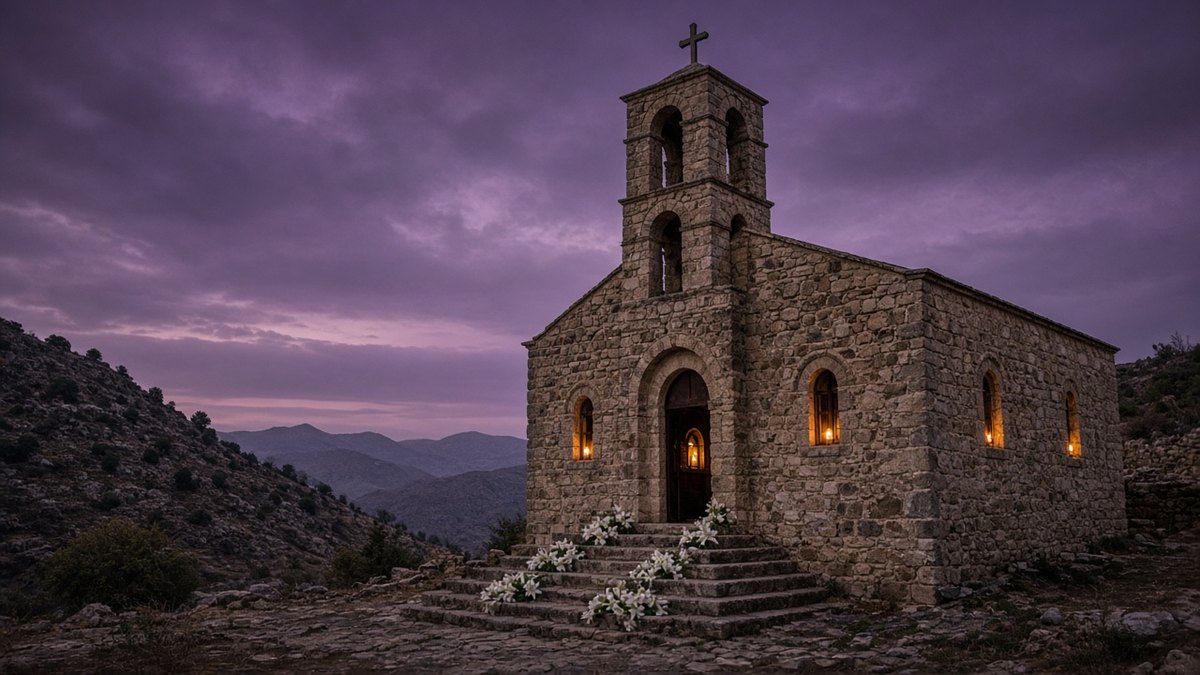
A family gathered on Friday to bury someone they loved. Instead, gunmen turned the funeral into a massacre. In the Jordan church attack on Oct. 23, attackers opened fire at a Greek Orthodox church in the village of Hamoud, in Jordan’s Karak governorate. At least seven people were killed, and dozens more were wounded.
Jordanian officials are calling it terrorism. They are right. Still, the bigger question is whether the rest of the world will treat it that way.
Key Takeaways
- Gunmen attacked a funeral at a Greek Orthodox church in Hamoud, Karak, killing seven people.
- Officials reported at least 34 wounded, and some outlets put the number near 40.
- Jordan’s government blamed extremist takfiri ideology and declared three days of national mourning.
- As of Friday evening, no group had claimed the attack, and the gunmen were still being hunted.
What We Know About the Jordan Church Attack
According to the BBC, the gunmen arrived by car, entered the church, and opened fire before fleeing. Verified CCTV appears to show three armed men walking toward the building. Meanwhile, one witness told BBC Arabic the shooting lasted around 15 minutes. People threw themselves under pews and tried to shield their children.
Survivors also described an explosion as the funeral procession began, Reuters reported via Al Jazeera. After that, masked attackers broke in and kept shooting for several minutes. Jordan’s public security director confirmed seven dead, with 27 of the wounded still in hospitals.
Interior Minister Mazen al-Faraya called the attack “unprecedented”. He also said “Jordanians have never seen something like this before.”
Jordan’s Response
To its credit, Jordan responded fast and in plain language. King Abdullah II promised the “harshest penalties”. Prime Minister Jafar Hassan then declared three days of national mourning, with flags at half-staff, Anadolu Agency reported. In addition, a government spokesman blamed “extremist takfiri ideology,” the belief that brands other people as unbelievers.
Notably, that same spokesman said Christians are “an integral and inseparable part of Jordan’s national fabric.” That is the right message from a key American ally.

Why the Jordan Church Attack Should Matter to Americans
First, this was not random violence. Jordan’s own leaders say it was an ideological attack on Christians gathered to grieve. Roughly 300,000 Christians live in Jordan, a country of about 11.5 million, according to Reuters. Moreover, their roots in that land go back to the earliest days of the faith.
Second, Christians across the Middle East have watched their communities shrink for decades. Too often, Western leaders treat attacks on them as a footnote. Yet freedom of worship is not a partisan cause. It is a basic human right, and it is part of what America has always stood for.
Third, security matters here. The U.S. Embassy in Amman says it is closely monitoring the attack and urges Americans in Jordan to stay cautious. Furthermore, the attack comes as the region is already on edge over the war with Iran. A stable Jordan is essential to American interests, so its fight against extremism is our concern too.
What Comes Next
For now, investigators are still checking whether the attackers had ties to a larger group. Until the gunmen are caught, the full story will not be clear. Therefore, we should not guess at motives beyond what officials have said.
However, some things are already clear. A church was attacked during a funeral. Seven people who came to mourn will not go home. And the families left behind deserve justice, not silence.
Pray for the people of Karak. Then ask your representatives one question: when Christians abroad are targeted for their faith, will America speak up?
Follow World of Payne for More
For more conservative commentary on world events, religious liberty, and American foreign policy, visit the World of Payne homepage. Then follow the show on X, Facebook, and Instagram, and share this post with someone who cares about faith and freedom.