

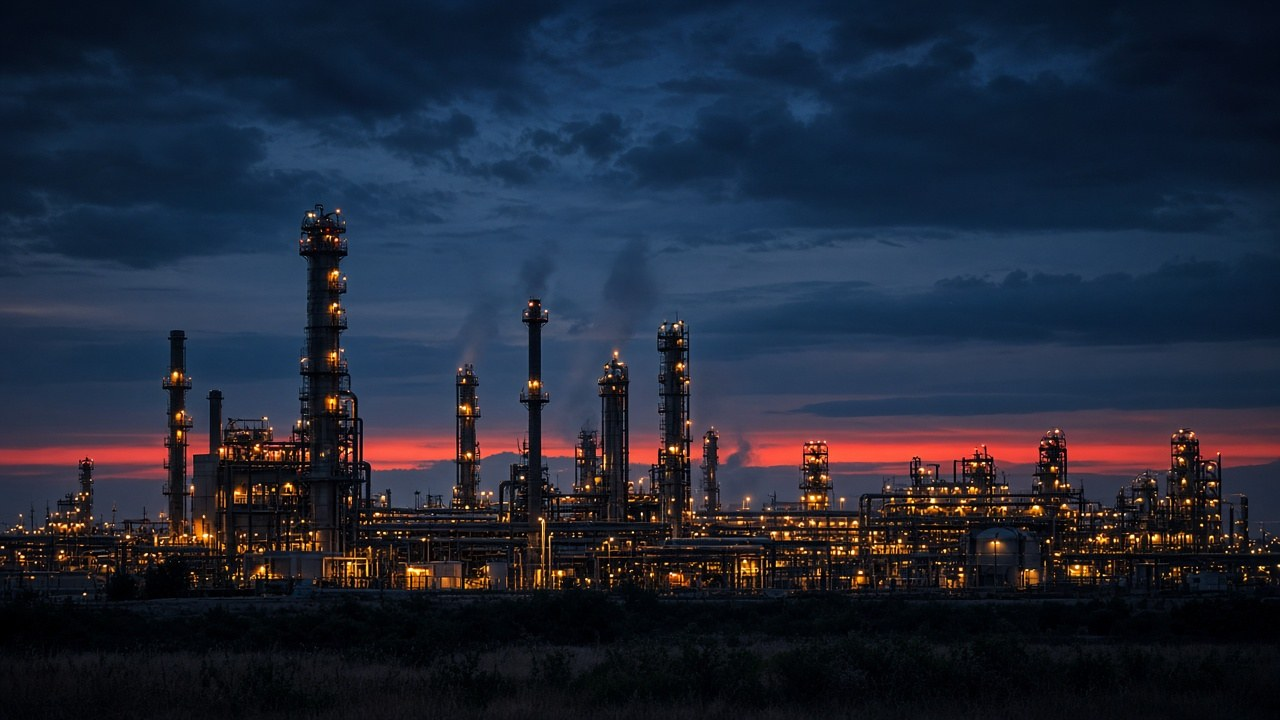
ExxonMobil just doubled its quarterly profit to $15.4 billion, and Chevron nearly tripled its haul to $9.9 billion, CNBC reported. With diesel above $6 a gallon days before the midterms, Democrats want a windfall profits tax to claw that money back.
The anger makes sense. After all, families are paying more at the pump while oil company stock hits record highs. However, a windfall tax would not add a single barrel of fuel. America tried this once, and it backfired. The real fix is more supply, not a bigger tax bill.
Key Takeaways
- Exxon earned $15.4 billion in the third quarter, double a year earlier. Chevron earned $9.9 billion, up nearly 200%.
- Exxon, Chevron and Shell together earned just over $36 billion this quarter, according to NPR.
- Diesel averaged $6.32 a gallon on Oct. 30, up more than 70% from a year ago, according to AAA.
- Democrats in both chambers have backed a windfall profits tax, with the money returned through rebates.
- A congressional study found the 1980s windfall tax raised far less than promised and may have cut US oil output by up to 8%.
Why Big Oil’s Profits Jumped
First, look at where the money came from. The supply shock began in March, after the US and Israel attacked Iran, CNBC reported. Since then, Ukraine, Iran and the Houthis have hit refineries in Russia and the Middle East. As a result, the world lost a big chunk of its refining capacity. Brent crude now trades around $113 a barrel, up from about $70 before the war, NPR reported.
So buyers turned to American refineries. Exxon’s Gulf Coast plants ran at 100% of capacity and made record volumes of diesel. Meanwhile, Chevron’s US refineries processed a record of just over 1 million barrels a day at about 98% of capacity. Chevron’s refining profit alone jumped to $4.9 billion from $1.1 billion a year ago.
In other words, American workers ran these plants flat out when the world needed fuel. That is not price gouging. That is the market sending fuel where it is needed most. We saw how fast this crisis moved when oil hit $117 in October.
What Democrats Want From a Windfall Profits Tax
Democrats in both chambers have called for a windfall profits tax, NPR reported. Bills introduced this spring would return some of the money to Americans through rebates. Sen. Sheldon Whitehouse of Rhode Island sponsored the Senate version.
Notably, Whitehouse has been open about a second goal. He told NPR he hopes the fight also shows that renewable energy is getting more competitive. “Wind, solar, and battery power, they’re not raising their prices,” he said at the time. So this is not only about your gas bill. It is also about steering the energy market toward Washington’s preferred winners.
To be fair, Democrats are not the only ones frustrated. Even President Trump said in August that Chevron and Exxon “were making too much money based on a shortage,” according to CNBC. That frustration is understandable. Still, a frustrating headline is not a good reason for a bad tax.
America Already Tried a Windfall Profits Tax
Here is the history Democrats skip. In 1980, Congress passed the Crude Oil Windfall Profit Tax. Despite its name, it was really an excise tax on oil, according to a Congressional Research Service report. It promised a gusher of money and delivered a trickle.
Specifically, the tax raised $80 billion in gross revenue from 1980 to 1988, compared with the $393 billion that was projected. After income tax deductions, net revenue came to about $38 billion, against a projected $175 billion. That is a miss of nearly 80%.
Worse, the tax hurt American production. CRS estimated that it may have reduced domestic oil output by 1.2% to 8%. Because Americans still needed the oil, imports filled the gap, and dependence on foreign oil grew by 3% to 13%. Congress repealed it in 1988, partly because it made the country more dependent on foreign oil.

A Tax Won’t Refine a Single Gallon
Think about what a windfall profits tax would actually do today. Refineries are already running at full capacity. A new tax would not make them run faster. Instead, it would cut the reward for building the next refinery, pipeline or well.
Moreover, the industry is already hesitant to invest. Analyst Dan Pickering told NPR the big companies are mostly not spending their windfall on new drilling, because today’s high prices come from geopolitics more than anything else. “You put the money in the bank and watch to see what happens as we move into 2027,” he said. A windfall tax would only deepen that caution.
Critics have a fair point about where the cash is going. Exxon announced its highest-ever quarterly dividend, and Shell’s buyback was one of its largest ever, NPR reported. Even so, those payouts go to shareholders, including pension funds and everyday retirement savers. Exxon CEO Darren Woods has called windfall taxes a “misguided policy” that penalizes companies trying to succeed in a volatile industry.
The Real Fix Is More Supply
If Washington wants lower prices, it should make it easier to produce and refine fuel here. That means faster permits for refineries, pipelines and export terminals, as we argued in our look at the Senate permitting reform bill. It also means clear, stable rules, so companies are willing to commit capital for decades rather than quarters.
Next, the government should refill the Strategic Petroleum Reserve when prices ease. NPR noted the reserve is at low levels, which leaves the country with a thin cushion. The administration has already used emergency tools, as we covered when Trump drafted oil into national defense. Those tools work best with a full tank behind them.
Finally, voters should judge any plan by one test. Does it produce more fuel? A windfall profits tax fails that test. Building more capacity passes it.
Frequently Asked Questions
What is a windfall profits tax?
It is an extra tax on profits that lawmakers consider unusually high, often because of a war or supply shock. The 1980 US version was actually an excise tax on oil, according to the Congressional Research Service.
How much did Exxon and Chevron earn in the third quarter of 2026?
Exxon earned $15.4 billion, double the $7.5 billion it made a year earlier. Chevron earned $9.9 billion, up from $3.5 billion. Both companies reported their results on Oct. 30.
Would a windfall profits tax lower gas prices?
Probably not. A windfall profits tax does not add supply, and the 1980s version may have cut US oil production by 1.2% to 8% while raising imports, CRS found.
What do you think? Should Congress tax Big Oil’s windfall, or clear the way to build more refineries? Tell us in the comments.
Follow World of Payne for More
For more conservative commentary on energy, taxes and your wallet, visit the World of Payne homepage. Then follow the World of Payne show on X, Facebook and Instagram for new episodes and daily takes.