

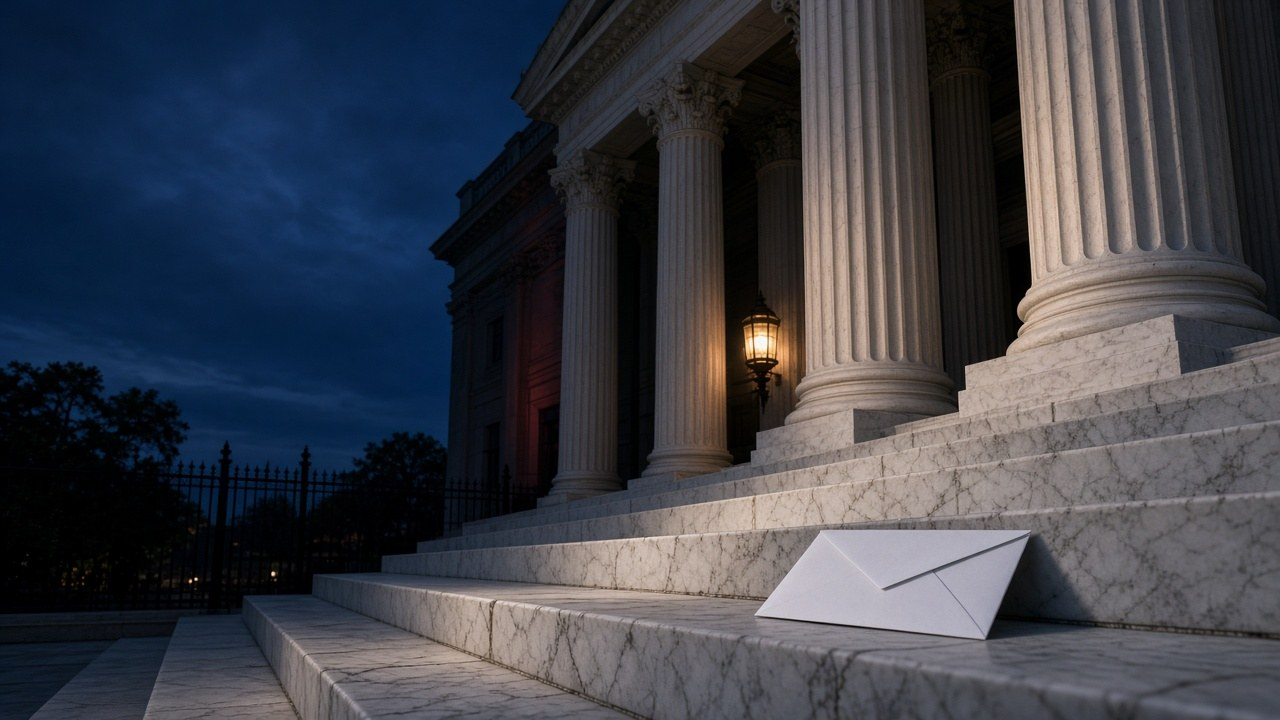
The Supreme Court California ballots fight is over, at least for this election. On Monday evening, the justices turned down the Trump administration’s emergency request to make California set aside about 20,000 mail ballots from voters the federal government flagged as likely noncitizens, the Associated Press reported. The vote comes Tuesday.
This is a follow-up to our earlier breaking post on the Justice Department’s filing. The goal behind the case was right. Only citizens should vote in American elections. However, the case came too late and leaned on a list the courts did not trust.
Key Takeaways
- The Supreme Court denied the request in a brief, unsigned order with no explanation and no noted dissents.
- The Justice Department wanted California to keep the flagged ballots separate until each voter’s citizenship could be checked.
- A federal district judge and the 9th Circuit had already ruled against the administration.
- California says noncitizen voting is already illegal under state law and questions the accuracy of the federal list.
What the Supreme Court California Ballots Order Says
The order is one sentence long. “The application for injunction pending appeal presented to Justice Kagan and by her referred to the Court is denied,” it reads, according to the BBC. Justice Elena Kagan handles emergency appeals from the 9th Circuit, and she sent this one to the full court.
The court moved fast. According to SCOTUSblog, the order came out shortly before 6 p.m. Eastern, only hours after the filing. There were no noted dissents. In fact, NBC News reported that the court did not even ask California for its views first, as it normally does.
What the Justice Department Wanted
In a 19-page filing, Solicitor General D. John Sauer asked the court to make California hold the challenged ballots aside until the voters’ citizenship could be verified. His main point was simple. “Once California commingles the challenged ballots with lawful ones, there is no way to get the challenged ballots back,” he wrote, SCOTUSblog reports.
That concern is real. As NBC News explained, election workers check a mail ballot’s signature and then discard the details that identify the voter before the vote is counted. As a result, a ballot cast by a noncitizen cannot be pulled back out later.

Why the Courts Said No
Still, the government had to prove its case, and three courts in a row were not convinced. On Oct. 28, U.S. District Judge David Carter refused to order the ballots set aside. He also questioned whether the administration’s claims about the voters were credible. Then the 9th Circuit turned down an emergency appeal on Friday.
California officials made a fair point, too. According to Roll Call, the state argued there was no evidence these people had actually returned ballots or were not citizens. The state had also refused to accept a flash drive of names from the administration earlier this fall.
Timing hurt the case as well. Asking a court to pull thousands of ballots on the eve of an election is a heavy lift. Courts are rightly wary of changing the rules after voting is already underway.
The Real Fix Is Before the Ballot Goes Out
Conservatives should take the right lesson from this. The problem is not that judges care about due process. Instead, the problem is that checking citizenship after a ballot is mailed is far too late.
The better answer is to verify citizenship when people register, keep voter rolls clean all year, and require states to share data with federal agencies. That approach protects every legal voter. It also costs far less than emergency lawsuits filed in the final days before an election.
Clean rolls are also a matter of good government. Taxpayers fund these elections, and they deserve a system that gets it right the first time. That means honest, accurate lists, not last-minute fights in court.
The Bottom Line on the Supreme Court California Ballots Ruling
In the end, the Supreme Court California ballots order closes this chapter, and the rule of law means accepting it. Noncitizen voting is still illegal, and the push for secure elections should go on. Now that energy belongs in Congress and the statehouses, where lasting reforms get written. For more on the final stretch of the race, read our take on Trump’s final midterm speech.
What do you think? Should states have to verify citizenship before anyone gets a ballot? Tell us in the comments.
Follow World of Payne for More
For more conservative commentary, visit the World of Payne homepage, then follow World of Payne on X, Facebook and Instagram.