

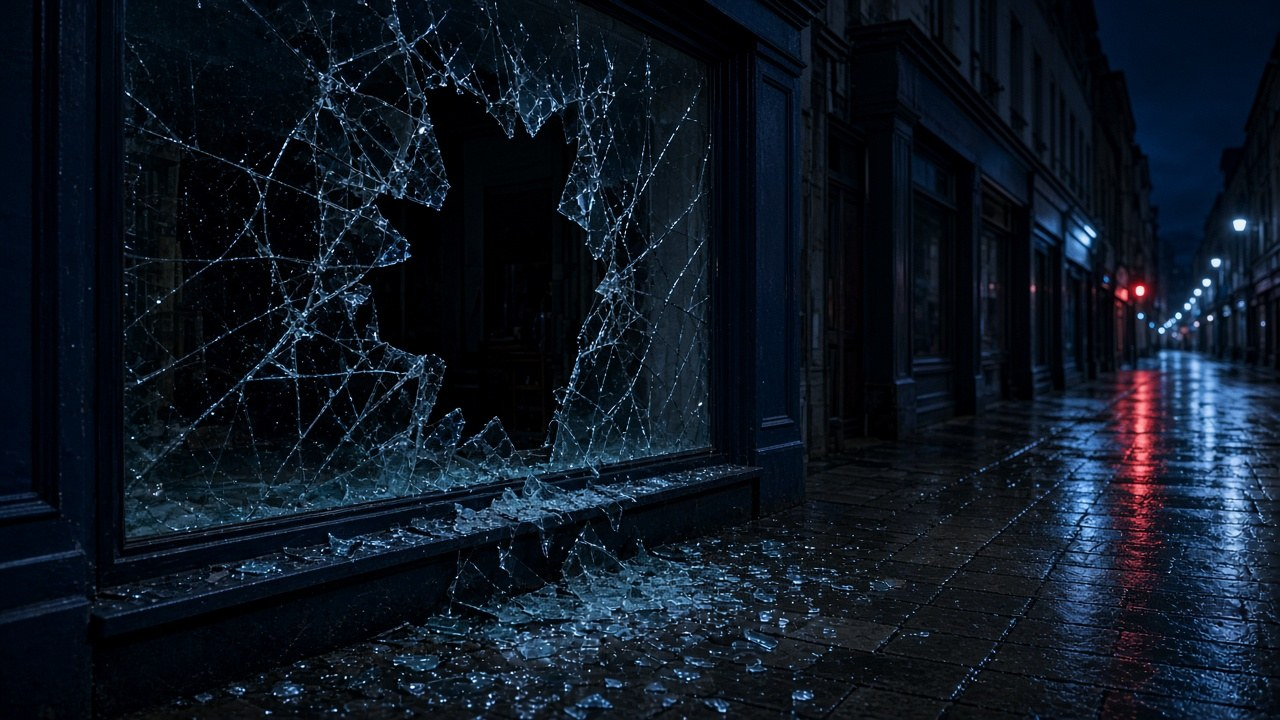
The Frankfurt riots began after the marchers went home. On Saturday, tens of thousands of young Germans rallied in more than 30 cities over the cost of living, school funding and military service. Then, as night fell, hooded rioters smashed shop windows in Frankfurt, looted stores and threw Molotov cocktails at police.
By Sunday, more than 100 officers were hurt and 54 people were under arrest, ABC News reported, citing Hesse’s interior minister. The young people who marched peacefully have real complaints. However, the people who looted a gun shop do not get to borrow those complaints as an excuse.
Key Takeaways
- Protests organized by the group Gen Z regelt, or “Gen Z takes charge,” drew tens of thousands of people in more than 30 German cities on Oct. 31.
- After the rallies ended, rioters in Frankfurt damaged 17 stores, looted five and attacked emergency workers with rocks, bottles and petrol bombs.
- Police reported more than 100 injured officers and 54 arrests of people aged 13 to 29.
- The organizers distanced themselves from the violence and plan to join Europe-wide protests on Nov. 20.
- Germany’s interior minister has called for severe penalties, and the unrest follows weeks of riots and protests in France.
What Happened in the Frankfurt Riots
First, the facts. The daytime marches were largely peaceful. According to the BBC, protesters were rallying against underfunded schools, the high cost of living, public spending cuts and military service. Authorities in Frankfurt, Munich and Berlin counted as many as 18,000 people, roughly half of what organizers had estimated.
Later, the evening turned ugly. Frankfurt police warned on X that windows were being smashed and that “Molotov cocktails are also being thrown at the emergency services.” Officials said rioters broke the windows of a gun shop, and police seized two weapons after arresting a suspect. Others broke into stores and walked off with sneakers.
Police closed a large stretch of the Zeil, the city’s main shopping street, overnight. Meanwhile, Berlin, Cologne and Hamburg saw clashes of their own. Berlin police reported 27 injured officers there, and public broadcaster NDR reported 120 arrests in Hamburg.
Who Was Behind the Frankfurt Riots?
Here the answers get murkier, so caution matters. Roman Poseck, Hesse’s interior minister, said “around 100 clearly identified left-wing extremists” had infiltrated the Frankfurt protest. He also said most of those arrested were German nationals. Police estimate they faced between 1,000 and 1,500 violent troublemakers, “predominantly from an immigrant background,” he added.
Federal Interior Minister Alexander Dobrindt made a similar claim. Yet he did not provide evidence or name the groups, ABC noted. Frankfurt’s mayor, Mike Josef, pointed out that many of the officers the rioters attacked while defending the city also have immigrant roots.
That is the right place to hold the line. Facts should come from arrest records and court filings, not from hunches. If the evidence shows organized groups planned this, prosecutors should say so and charge them. If it shows bored teenagers chasing free sneakers, that is a crime too.

The Protesters Have a Point About the Bill
To be fair, the young marchers are not wrong that something is broken. Europe’s youth protests now stretch from France and Spain to Italy, Portugal and Serbia, and housing and living costs are the common thread. Germany’s energy problems are no secret, and we have written about why Europe is running low on gas heading into winter.
Still, look past the Frankfurt riots at what the organizers actually want. Their demands include more spending on schools, climate protection and housing, NBC News reported. Their spokesperson, Lina Friedrich, called for “a fairer distribution of the burden.” In other words, the proposed cure is more of the same big-government model that made life in Europe so expensive.
We saw the same pattern when France rioted over its own bill. A welfare state that promises everything eventually runs out of other people’s money. Higher taxes and more borrowing will not lower rent. Instead, more housing, cheaper energy and faster growth will.
Military Service Is a Fair Debate, Not a Riot Permit
The military service fight is a real policy argument. In December 2025, the Bundestag passed a law creating a new, voluntary military service. Under it, 18-year-old men must fill out a questionnaire about their willingness and fitness to serve. Mandatory medical screening for men born in 2008 or later is set to begin in 2027.
Notably, the law does not draft anyone today. A return to compulsory service would require a separate vote in parliament. With Russia’s war in Ukraine still raging on Europe’s doorstep, Germany asking whether it can defend itself is not warmongering. It is overdue.
Young Germans are free to oppose that plan. They can vote, organize and march, and many did exactly that on Saturday. Torching barricades is not part of that toolkit.
Lessons From the Frankfurt Riots for America
So what should Americans take from the Frankfurt riots? First, peaceful protest and rioting are two different things, and leaders should never blur them. Dobrindt said police had prevented “violence like that seen in Paris” and called for “harsh punishments” for rioters and looters, the BBC reported. He is right.
Second, the swiftest deterrent is certainty. When looters are identified, charged and actually punished, the next riot gets smaller. When cities shrug, it gets bigger. Police deployed 1,300 officers in Frankfurt, and the damage still spread to 17 stores.
Finally, grievances deserve answers at the ballot box. That is how Serbia’s students helped unseat their strongman this fall. The gap between a movement and a mob is whether it builds something or breaks something.
Frequently Asked Questions
What caused the Frankfurt riots?
Rioting broke out in Frankfurt on the night of Oct. 31, after largely peaceful Gen Z regelt protests over living costs, education and military service. Officials blamed violent groups who joined after the rallies ended.
How many people were arrested in Frankfurt?
Police arrested 54 people aged 13 to 29, and more than 100 officers were injured, according to Hesse’s interior minister.
Does Germany have a military draft?
No. Germany’s new service is voluntary. Young men must answer a questionnaire, and mandatory medical screening begins in 2027, but compulsory service would need a new law.
What do you think? Should rioters who hijack a peaceful protest face tougher penalties? Tell us in the comments.
Follow World of Payne for More
For more conservative commentary on law and order, world news and the economy, visit the World of Payne homepage. Then follow the World of Payne show on X, Facebook and Instagram for new episodes and daily takes.