

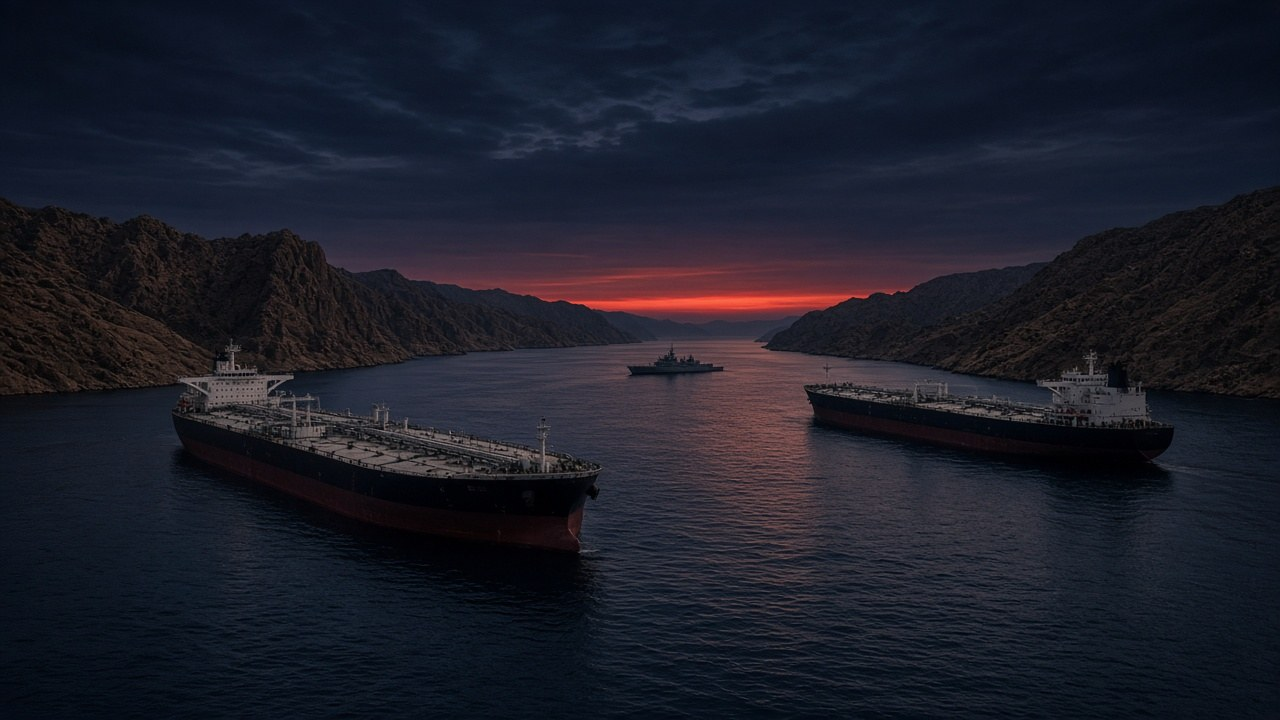
Iran says it can reopen the Strait of Hormuz in just two days and resume nuclear talks with the United States. Of course, there is a catch. Washington has to meet Tehran’s demands first, Euronews reports.
The offer landed Monday, one day before the midterms. Oil prices slid on hopes for a deal. Meanwhile, President Trump says the war will end “very soon, one way or the other.” Here is what Iran really wants, and what it means for your gas tank.
Key Takeaways
- Iran says it can reopen the Strait of Hormuz within two days if the U.S. meets its demands, down from seven days in September.
- Tehran wants the U.S. naval blockade ended, its frozen assets released, oil sanctions lifted and the war ended on all fronts.
- Its foreign minister also wants a new Iran-Oman shipping route and fewer U.S. troops in the region.
- Trump says Iran will either make a deal or the U.S. will “just end it.”
- Axios reports that Netanyahu pressed Trump to strike Iran right after the midterms.
- Brent crude fell more than 4% Monday morning, and gas is down to about $4.12 a gallon.
What Iran’s Strait of Hormuz Offer Really Says
Foreign ministry spokesman Esmaeil Baghaei announced the shorter timeline Monday in Tehran. “The possibility of implementing this plan in two days is another indication of Iran’s good-faith approach,” he said.
However, Baghaei also said “everything depends” on Washington accepting Iran’s demands. Those demands are not small. Tehran wants the war ended on all fronts and its frozen assets abroad released. It also wants sanctions on its oil sector lifted and the U.S. naval blockade of its ports ended.
Then the list got longer. On Sunday, Foreign Minister Abbas Araghchi told Al Jazeera that Washington must accept a new Iran-Oman route through the strait. He also wants fewer American troops in the region. On top of that, he wants sanctions imposed since August removed.
In other words, the timeline got shorter. The demands did not.
Why Tehran’s Strait of Hormuz Terms Fall Short
Since the war began in late February, Iran has claimed control of Hormuz. It regularly targets ships that try to cross without its permission. Now it wants America to accept a route Tehran helped draw.
That is not reopening an international waterway. Instead, it asks Washington to bless Iran’s grip on one. These waters are still dangerous, too. Just last week, we covered a limpet-style attack on a tanker in Hormuz. Free passage through the Strait of Hormuz should be the starting point, not a prize Iran sells back to the world.
Moreover, unfreezing assets and lifting oil sanctions would hand the regime fresh cash. Deputy parliament speaker Ali Nikzad said Iran would not enter nuclear talks under pressure. Baghaei also warned that any attack would bring a “powerful, immediate and comprehensive response” from Iran.

Trump Is Holding the Hammer
President Trump has kept both options on the table. “We’ve had such a victory, and we’ll put it away very soon, one way or the other,” he told Right Side Broadcasting Network on Sunday. “Either they’ll make a deal, or we’ll just end it.” Later that day, he said he may have to give Tehran “the hammer,” CBS News reports.
Meanwhile, Israel wants to move faster. Axios reported that Prime Minister Benjamin Netanyahu pressed Trump to strike Iran right after Tuesday’s midterms. Trump, however, wants to let negotiations play out for now. We first flagged talk of an Iran strike after the midterms last week.
That is the right posture. Trump is letting Qatar carry messages while keeping the pressure on. As a result, Iran knows the clock is running. That pressure, not sudden goodwill, is the likeliest reason seven days became two. Peace through strength means never paying for a deal the other side needs more than we do.
What the Strait of Hormuz Means for Your Gas Tank
Markets liked the headlines. Brent crude fell $4.79, or 4.2%, to $108.64 a barrel Monday morning, Reuters reports. Brent had ended October at a six-month high.
Drivers are finally getting some relief too. The national average for gas fell 17.1 cents in a week to $4.12 a gallon, according to GasBuddy data. Still, that is $1.13 more than a year ago. Diesel averages $6.281, which hits farmers, truckers and every family that buys groceries.
Trump argues the pain is temporary. Once the war ends, he told an Iowa rally, oil is “going to come plunging.” However, GasBuddy’s Patrick De Haan warned that “volatility could return quickly after the election.” We saw that when oil hit $117 in October. And as we argued Sunday, a windfall tax won’t lower your gas bill. Only more supply will.
The Bottom Line
Two days sounds fast. Yet the price tag matters more than the timeline. America should not pay Iran to stop blocking the Strait of Hormuz, something it never had a right to do. Keep the blockade until ships move freely, and keep the pressure on. Then let Tehran prove it is serious.
What do you think? Should Trump take Iran’s two-day offer, or bring down the hammer? Tell us in the comments.
Follow World of Payne for More
For more conservative commentary, visit the World of Payne homepage, then follow World of Payne on X, Facebook and Instagram.