Category: Economy
-

Why Are Gas Prices So High? Follow the Gallon From Well to Pump
Why are gas prices so high? The honest answer is that a gallon of gasoline is four bills stapled together: crude oil, refining, getting the fuel to your corner station, and taxes. When any one of them jumps, you pay for it at the pump. This year, two of them jumped at once. Start with…
-

Why Is Housing So Expensive? Blame the Homes We Never Built
Why is housing so expensive? America underbuilt for a decade after 2008, regulation now makes up about a quarter of a new home’s price, and half of outstanding mortgages carry rates below 4%. Here are the structural causes, what each side proposes, and why I think the fix is more homes, not more buyers.
-

Beef Prices Need More Cattle, Not Another 90-Day Import Fix
Beef prices are still near records, and the 90-day low-tariff import quota for lean beef ends Nov. 30. Importers used about a third of the first two batches, ranchers lost an estimated $140 to $165 per cull cow, and one economist found ground beef only 8 to 10 cents a pound below his forecast. Let…
-

How Does the Fed Raise Interest Rates? It Doesn’t Set Yours.
How does the Fed raise interest rates? It sets a 3.75%-4% target range and four overnight rates for banks, then markets carry the move to your mortgage, credit card and savings. Here is how the machinery works, what Volcker and the 2022-23 cycle taught us, and why Washington’s borrowing makes the Fed’s job harder.
-
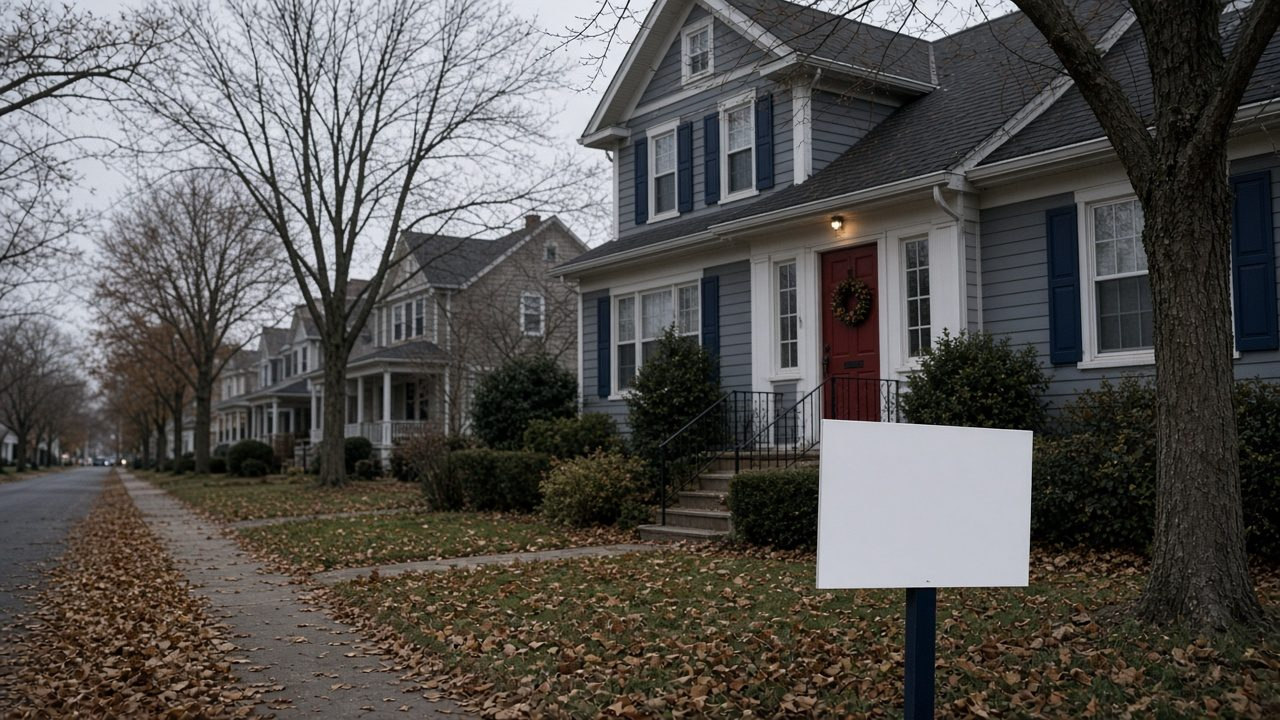
Existing Home Sales Hit a 16-Year Low. $1,000 Down Won’t Fix It.
Existing home sales fell 5.5% in October to a 3.75 million annual pace, the slowest since August 2010, after mortgage rates spiked past 7%. A new Democratic-aligned plan would let first-time buyers put $1,000 down. That treats the wrong problem. Lower inflation, cheaper money and more homes will bring buyers back.
-

Week in Review: 5% Yields, a $409 Billion Deficit and a Dodged Vote
Hot consumer and wholesale prices pushed the 10-year Treasury yield past 5%, the fiscal year opened with a $409 billion October deficit, and Congress ducked hard votes. Our Week in Review connects the dots.
-

When Will Social Security Run Out? The 2032 Deadline
When will Social Security run out? The retirement trust fund is projected to run dry in late 2032, after which incoming taxes would cover about 78% of scheduled benefits. Here’s what runs out and what doesn’t, what it means for your check, how the trust fund ties to the national debt, and how Congress could…
-

Bessent Blames an Energy Shock. Wholesale Prices Say Otherwise.
The producer price index rose 0.3% in October and 6.5% over the past year, the fastest since 2022. Treasury Secretary Bessent says it’s a fading energy shock and the Fed shouldn’t hike. But energy fell in October, while core wholesale prices rose 0.5% and are up 4.9% from a year ago.
-

How Do Tariffs Work? Who Pays and Where the Money Goes
How do tariffs work? A tariff is a tax on imports, collected by CBP and paid by the U.S. importer of record. Here is how duties are calculated, what the research says about who bears the cost, which laws let presidents set them after the Supreme Court’s IEEPA ruling, and where the money goes.
-

Difference Between Deficit and Debt: Why Both Keep Growing
The difference between deficit and debt comes down to time. The deficit is one year’s gap between spending and revenue, $1.99 trillion in fiscal 2026. The debt is the running total of that borrowing, now above $40 trillion. Here’s how a deficit becomes debt, why the debt rose even in a surplus year, and what…
Latest News